Foods Highest in Polyphenols — And How to Actually Absorb Them

Foods High in Polyphenols: The Complete Breakdown
The category of foods high in polyphenols is larger than most people expect — and more varied than generic "antioxidant food" lists suggest.
Polyphenols are specific plant compounds linked to lower rates of cardiovascular disease, neurodegeneration, and metabolic dysfunction. But raw content numbers alone don't tell the whole story. Serving size, bioavailability, and compound type all affect how much you actually absorb. This guide covers all of it.
How Polyphenol Content Is Measured
Polyphenol content is measured in milligrams per 100 grams (or 100ml for liquids). The reference database is Phenol-Explorer, which uses standardized laboratory methods across hundreds of foods.
Two things worth knowing before reading any polyphenol table:
First, polyphenol content varies significantly based on variety, ripeness, processing, and storage. So ranges matter more than single figures. Second, raw content doesn't equal absorbed content. Bioavailability differs by compound and food matrix.
Foods High in Polyphenols by Category
Spices and Dried Herbs Cloves, star anise, and dried oregano are extremely concentrated. Because serving sizes are small, though, total daily intake from spices is modest. They contribute, but they're not your primary source.
Berries Blueberries, blackberries, elderberries, and blackcurrants are among the most polyphenol-dense fruits consumed in meaningful amounts. Elderberries reach 1,063 mg/100g. Blackcurrants hit 758 mg/100g.
Cocoa and Dark Chocolate Dark chocolate (70%+) contains 1,664 mg/100g. Cocoa powder is higher. Milk chocolate loses most of the benefit because dairy proteins bind to polyphenols and reduce absorption.
Coffee and Tea Both are major daily polyphenol sources. Because volume is high, coffee is often the single largest polyphenol contributor in Western diets. Brewed coffee contains roughly 200–550 mg per cup depending on preparation.
Legumes Black beans, lentils, and soybeans contain significant phenolic acids and flavonoids. Eating them with their skins preserves the most polyphenol content.
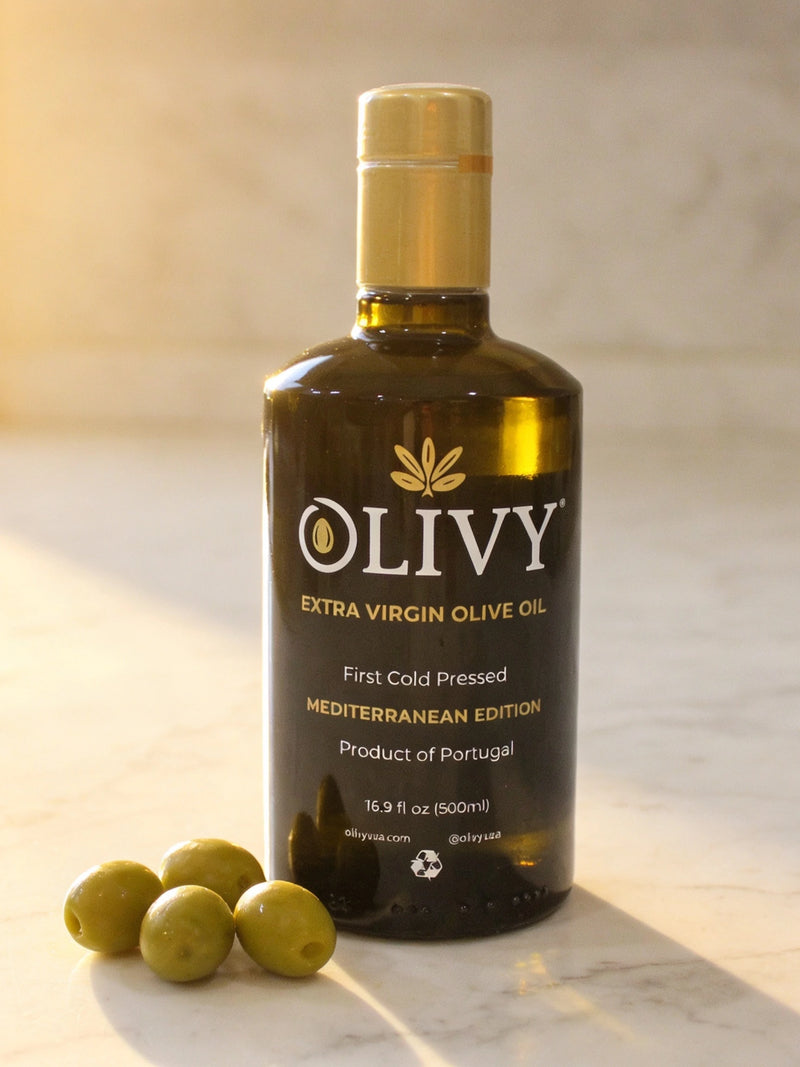
Extra Virgin Olive Oil High-quality EVOO contains secoiridoid polyphenols found almost nowhere else in the food supply. Since quality determines content so dramatically, the difference between a premium EVOO and a commodity bottle can exceed 700 mg/kg.
Source: Pure Energy
Foods High in Polyphenols: Comparison Table
| Food | Category | Polyphenols (mg/100g or 100ml) |
|---|---|---|
| Cloves (dried) | Spice | 15,188 |
| Cocoa powder | Dessert ingredient | 3,448 |
| Dark chocolate 70%+ | Dessert | 1,664 |
| Elderberries | Berry | 1,063 |
| Blackcurrants | Berry | 758 |
| Blueberries | Berry | 560 |
| Green tea (brewed) | Beverage | 89 per 100ml |
| Lentils (cooked) | Legume | 32 |
| High-polyphenol EVOO | Oil | 300–800 per kg |
| Commodity EVOO | Oil | 20–100 per kg |
The Compound That Makes Olive Oil Stand Apart
Most foods high in polyphenols are rich in flavonoids or phenolic acids. Olive oil is one of the only meaningful sources of oleocanthal — a natural COX-1 and COX-2 inhibitor identified by researchers at the Monell Chemical Senses Center. Because COX inhibition is the same mechanism used by ibuprofen, oleocanthal's presence in olive oil represents a dietary source of natural anti-inflammatory activity. (Nature, 2005)
Hydroxytyrosol is the second key compound. It's one of the most potent antioxidants found in any food, with free radical scavenging activity that exceeds vitamin E in laboratory studies.
Both compounds are only present in meaningful amounts in high-quality, minimally processed EVOO.
What a High-Polyphenol Day Looks Like
| Time | Food | Estimated Polyphenol Contribution |
|---|---|---|
| Morning | 2 cups coffee | 400–700mg |
| Lunch | Salad with 2 tbsp premium EVOO | 60–160mg |
| Afternoon | Handful of blueberries | ~100mg |
| Dinner | Lentil dish with EVOO drizzle | 80–150mg |
| Evening | 1 square dark chocolate | 50–100mg |
This is a realistic daily structure — not a restrictive protocol.
Start with the Oil
Most people use olive oil daily. Most people also have no idea how much polyphenol content differs between bottles.
Olivy is a single-origin Portuguese EVOO from early-harvest olives. Because harvest timing is when phenolic content peaks, early-harvest EVOO is the most reliable way to consistently consume foods high in polyphenols. Shop Olivy →