What does "single-origin" actually mean in extra virgin olive oil?

What is single-origin EVOO?
Most supermarket EVOOs are blends from multiple countries. Here's why origin matters — and what to look for on the label.
SHORT ANSWER
The oil comes from olives grown in one defined place — ideally one farm or grove — pressed and bottled there too.
Single-origin means every olive in the bottle was grown, harvested, pressed, and bottled at the same location. Contrast that with most mass-market olive oils, which blend oils purchased from Spain, Italy, Greece, Tunisia, and elsewhere — sometimes from multiple crop years — to hit a consistent flavor profile and price point.
A step up from single-origin is single-estate: the producer owns the land, controls the harvest timing, and does not buy in olives from outside. This gives the highest possible quality control and traceability.
"Sourced from a single Portuguese estate. Pressed within 24 hours."
SHOP OLIVY EVOO
Does origin actually affect quality?
Yes — in two direct ways. First, blended oils often source from fruit harvested at different times and stored for weeks or months before pressing. The longer the gap between picking and pressing, the more free fatty acids develop and the lower the polyphenol content. A single-estate producer presses within hours of harvest.
Second, polyphenol levels vary dramatically by variety, soil, and altitude. Knowing the origin tells you which olive cultivar you're getting — Arbequina, Galega, Koroneiki — which directly predicts the flavour and health-compound profile of the oil.
KEY FACT
Early-harvest extra virgin olive oils from single estates consistently test higher in oleocanthal and hydroxytyrosol — the anti-inflammatory compounds most linked to cardiovascular benefit — than blended supermarket alternatives.
How do I verify a claim of single-origin?
Look for four things on the label:
- A specific harvest date (not a "best before" date — that tells you nothing about freshness).
- A named farm, estate, or DOP/PDO (Protected Designation of Origin) region — not just "Product of Portugal" or "EU blend."
- The olive variety (cultivar) used. Generic labels that list no variety are usually blends.
- An acidity level below 0.8% — this is the legal ceiling for extra virgin, and the best oils are typically under 0.3%.
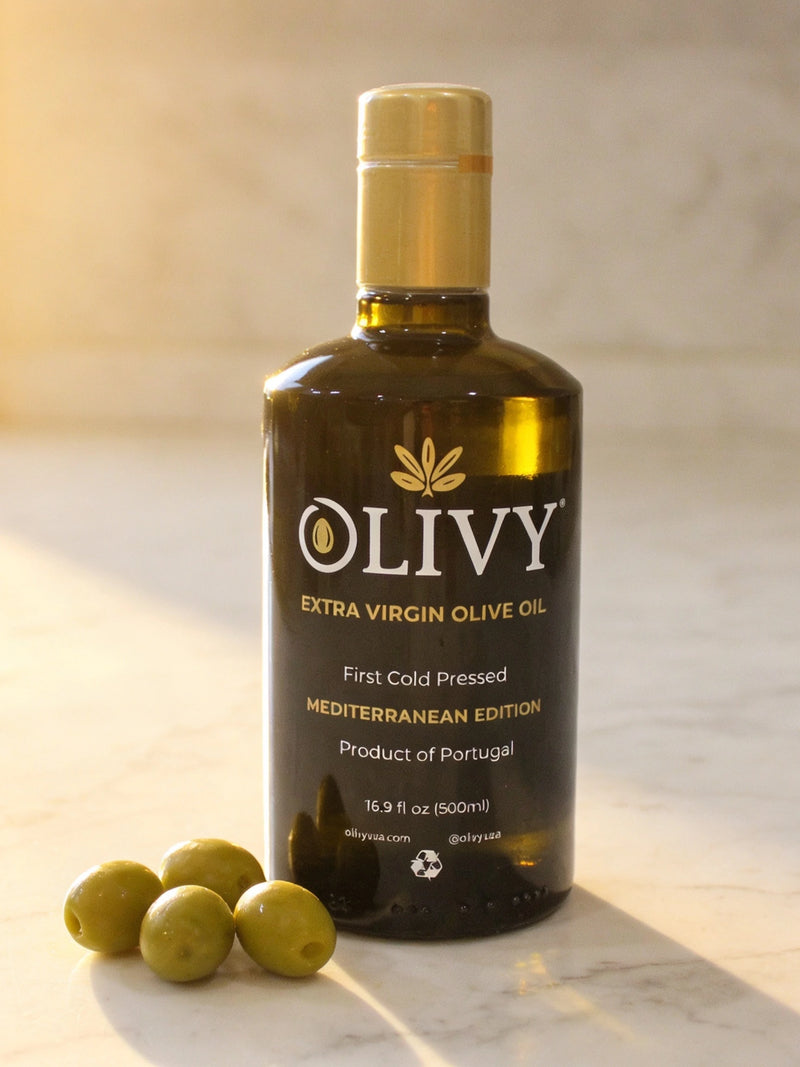
Olivy's single-origin EVOO lists all four on every bottle, sourced from a single Portuguese estate and pressed within 24 hours of harvest.
"Sourced from a single Portuguese estate. Pressed within 24 hours."
SHOP OLIVY EVOO
Is single-origin always better than a blend?
Not categorically — a skilled blender can create an excellent, consistent oil. But for health-motivated buyers, single-origin oils from small producers are more likely to be freshly pressed, higher in polyphenols, and honestly labelled. The odds are simply in your favour.
Read more: How Olivy sources its oil from Portugal