Kalamata Olives: What They Are, How They're Made, and How to Use Them

Kalamata olives are among the most recognized olive varieties in the world. But most people who eat them regularly don't know what distinguishes them from other olives — or why that distinction matters for flavor, nutrition, and how they're used.
This guide covers what kalamata olives actually are, how they're cured, and where they belong in the kitchen.
What Are Kalamata Olives?

Kalamata olives come from the Kalamata region of the Peloponnese in southern Greece. They're named after the city of Kalamata — an agricultural hub in a region that's been cultivating olives for thousands of years.
True kalamata olives are a Protected Designation of Origin (PDO) product under EU law. That means only olives grown in the designated Kalamata region from the Koroneiki or Kalamon variety can be sold as "kalamata olives" within the EU. Olives sold in the US as "kalamata style" may not come from Greece at all — they're simply olives cured in the same way. EU Protected Designations of Origin — European Commission
What Makes Kalamata Olives Different
Color and Shape
Kalamata olives are deep purple to black and almond-shaped — longer and more tapered than most table olives. The dark color indicates a ripe olive harvested later in the season.
Curing Method
Raw olives from any variety are inedible — they're extremely bitter due to oleuropein content. Kalamatas are typically cured in one of two ways:
- Brine curing — submerged in salted water for several weeks to months, which draws out bitterness gradually
- Red wine vinegar curing — combined with brine, giving kalamatas their characteristic slightly tangy, wine-forward flavor
This curing process is what distinguishes their flavor from other table olives like Castelvetrano (which are brine-cured in fresh water and remain mild and green) or Nicoise (small, brown, and dry-cured).
Flavor Profile
Kalamata olives are rich, briny, and mildly acidic with a meaty texture. The flavor is more intense than most table olives. Because of their high oil content, they have a smooth finish that pairs well with acidic dressings and hard cheeses.
Kalamata Olives: Nutritional Value
Per 100g of kalamata olives, approximate values:
| Nutrient | Amount |
|---|---|
| Calories | 115–145 kcal |
| Fat | 11–14g (mostly monounsaturated) |
| Sodium | 700–900mg (from curing) |
| Polyphenols | Variable — curing reduces oleuropein content |
Because the curing process removes much of the oleuropein, kalamata olives contain fewer polyphenols than fresh olives or cold-pressed EVOO. They're still a nutrient-dense food — but the primary polyphenol source in a Mediterranean diet comes from high-quality olive oil, not table olives. Olive oil and polyphenols →
How to Use Kalamata Olives
Salads
Greek salad is the canonical use — kalamatas with tomato, cucumber, red onion, feta, and oregano. The brine acidity works as a natural dressing component, so you need less added acid.
Pasta and Grain Dishes
Kalamatas hold up to heat better than most table olives. They work well in pasta puttanesca, baked feta dishes, and Mediterranean grain bowls. Add them in the last few minutes of cooking to preserve texture.
Mezze and Charcuterie
Served whole alongside hummus, labneh, roasted peppers, and hard cheeses, kalamatas are a natural mezze component. Their brine acts as a palate cleanser between richer items.
Tapenades
Kalamata olive tapenade — blended with capers, anchovies, garlic, and olive oil — is one of the most versatile condiments in Mediterranean cooking. Use it on grilled bread, as a pasta sauce base, or as a rub for roasted lamb or chicken.
Kalamata Olives and EVOO Together
Both kalamata olives and high-quality extra virgin olive oil come from the same agricultural tradition. In Mediterranean cooking, they appear together constantly — the olive oil enriches the dish while the olives add briny, acidic contrast.
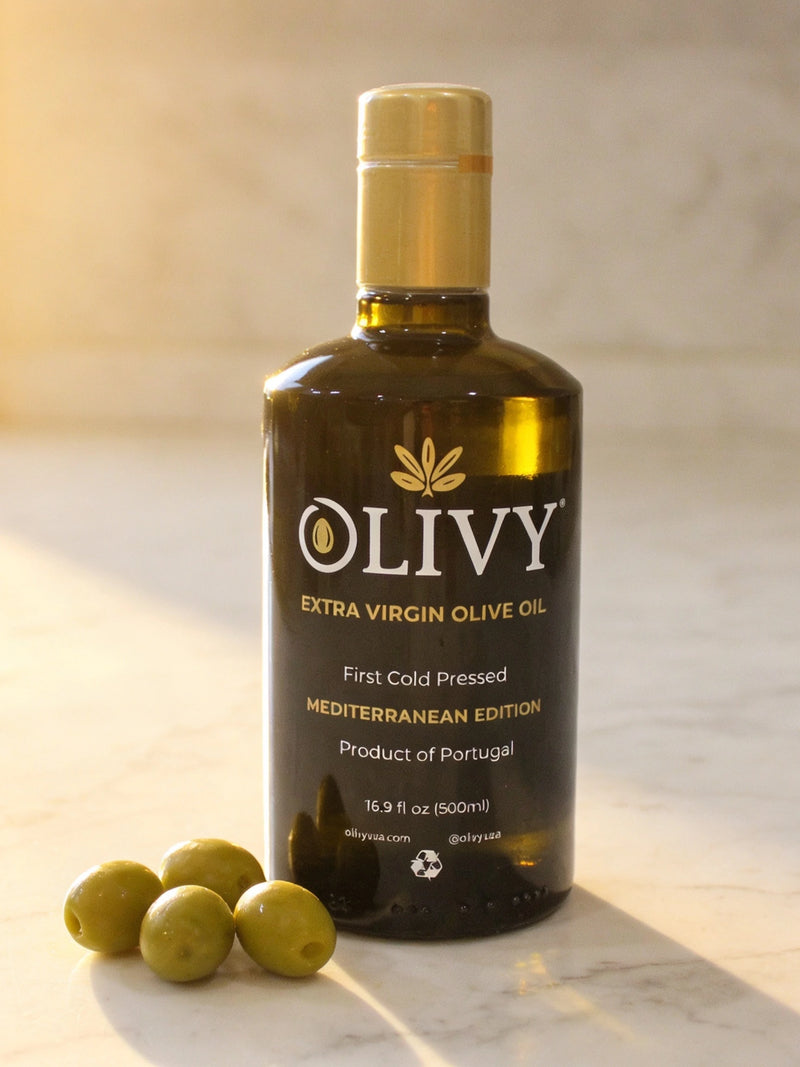
Olivy is a single-origin Portuguese EVOO that pairs naturally with kalamata olives in salads, tapenades, and grain dishes.
Shop Olivy →
Also read: EVOO: What It Is and Why It Matters →