Nutritional Value of Extra Virgin Olive Oil: A Full Breakdown

The nutritional value of extra virgin olive oil isn't just about fat content. Most people know olive oil is a "healthy fat" — but the compounds that make it worth consuming go well beyond the macronutrient label.
This is a full breakdown: what's in a tablespoon of EVOO, what each component does, and why quality affects the nutritional profile more than most food sources.
Macronutrient Profile of Extra Virgin Olive Oil

Per one tablespoon (15ml) of extra virgin olive oil, based on USDA FoodData Central data: USDA FoodData Central — Olive Oil Nutrients
| Nutrient | Per Tablespoon (15ml) |
|---|---|
| Calories | 119 kcal |
| Total Fat | 13.5g |
| Monounsaturated Fat | 9.85g (~73% of total fat) |
| Polyunsaturated Fat | 1.42g |
| Saturated Fat | 1.86g |
| Carbohydrates | 0g |
| Protein | 0g |
| Vitamin E | 1.9mg (13% DV) |
| Vitamin K | 8.1mcg (7% DV) |
Olive oil is pure fat. It contains no protein, no carbohydrates, and no fiber. But the fat composition — and the bioactive compounds that come with it — is what makes the nutritional profile meaningful.
The Nutritional Value of Extra Virgin Olive Oil: Fat Breakdown
Oleic Acid (Monounsaturated Fat)
Oleic acid makes up roughly 73% of EVOO's fat content. It's a monounsaturated omega-9 fatty acid and the primary reason olive oil behaves differently from saturated and polyunsaturated fats in the body.
Research links high oleic acid intake to reduced LDL cholesterol oxidation, improved insulin sensitivity, and lower inflammatory gene expression. Oleic acid is heat-stable, which means it doesn't break down into harmful compounds at typical cooking temperatures the way polyunsaturated fats can.
Linoleic Acid (Polyunsaturated Fat)
About 10.5% of olive oil's fat is linoleic acid — an omega-6 fatty acid. Unlike seed oils, which can contain 50–70% omega-6, olive oil's ratio stays in a range that doesn't promote the omega-6/omega-3 imbalance linked to chronic inflammation.
Saturated Fat
Olive oil contains approximately 14% saturated fat — mostly palmitic acid. This is well below animal fats (butter is ~50% saturated) and doesn't contribute to the LDL-raising effects associated with high saturated fat diets.
The Polyphenol Layer: What Separates EVOO from Other Oils
The macronutrient table above applies to all olive oils. What's not on any nutrition label is the polyphenol content — and that's where the nutritional value of extra virgin olive oil diverges sharply from refined oils.
High-quality EVOO contains:
Oleocanthal A natural COX-1 and COX-2 inhibitor with anti-inflammatory properties comparable to low-dose ibuprofen. Present only in fresh, unrefined EVOO. Content ranges from near-zero in commodity oils to 300–500 mg/kg in early-harvest premium oils.
Hydroxytyrosol One of the most potent antioxidants identified in any food. The European Food Safety Authority has approved a health claim specifically for hydroxytyrosol in olive oil and protection of blood lipids from oxidative stress. Concentration depends heavily on harvest timing and processing. EFSA Scientific Opinion on Hydroxytyrosol
Oleuropein An antimicrobial antioxidant that peaks in early-harvest olives. It's the compound responsible for much of the bitterness in fresh EVOO. As olives ripen, oleuropein converts to hydroxytyrosol — so late-harvest oils have more of one and less of the other.
Squalene A naturally occurring antioxidant compound. Olive oil is one of the richest plant-based dietary sources of squalene, which has shown antioxidant and potential skin-protective properties in research.
Vitamins in Extra Virgin Olive Oil
Vitamin E (Tocopherols)
EVOO provides 1.9mg of vitamin E per tablespoon — primarily as alpha-tocopherol, the most bioavailable form. Vitamin E is a fat-soluble antioxidant that protects cell membranes from oxidative damage. Because olive oil is consumed as a fat, the vitamin E it contains is well-absorbed.
Vitamin K
Each tablespoon provides around 8mcg of vitamin K — about 7% of the daily value. Vitamin K plays a central role in blood clotting and bone metabolism. It's fat-soluble, so consuming it in olive oil improves absorption compared to water-based sources.
How Quality Changes the Nutritional Value of Extra Virgin Olive Oil
The macronutrient numbers above are consistent across all olive oils. But polyphenol content — the compounds that drive most of the clinically documented health benefits — varies by a factor of 10 to 20 between a commodity EVOO and a premium early-harvest oil.
Late harvest, heat processing, long storage, and light exposure all degrade phenolic compounds rapidly. An oil with 500 mg/kg polyphenols at pressing can drop to under 100 mg/kg by the time it reaches a retail shelf nine months later.
This is why harvest date and production method are part of the nutritional story — not just the marketing one.
Olivy and Nutritional Value
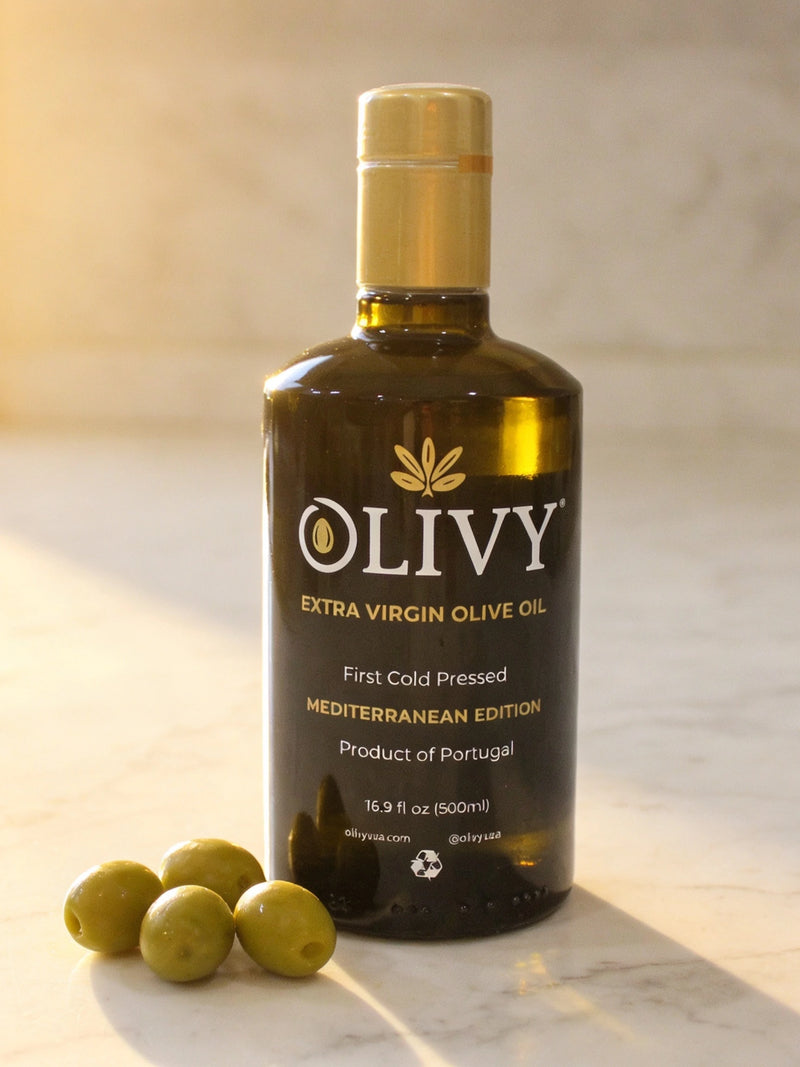
Olivy is an early-harvest, cold-pressed, single-origin Portuguese EVOO. The early harvest timing preserves peak polyphenol concentration. Every batch is pressed and bottled close to harvest to minimize degradation before it reaches you.
Also read: Olive Oil and Heart Health →| Healthiest Extra Virgin Olive Oil →