Olive Oil and Inflammation: The Compounds, the Research, and What It Means

The link between olive oil and inflammation isn't about the fat. It's about the phenolic compounds — and specifically which oils actually contain them.
Most olive oils on the market have had those compounds stripped out through processing, heat exposure, or extended storage. So understanding the olive oil inflammation connection requires understanding which compounds are responsible and how to find oils that still contain them. This article covers both.
What Drives Chronic Inflammation
Acute inflammation is normal. It's how the body responds to injury or infection. Chronic low-grade inflammation is the problem — a persistent, low-level activation of the immune system that damages tissue over time.
Chronic inflammation is a shared factor in cardiovascular disease, type 2 diabetes, Alzheimer's disease, and several cancers. It's measured through biomarkers like C-reactive protein (CRP), interleukin-6 (IL-6), and tumor necrosis factor-alpha (TNF-α). (NIH Reference)
Diet is one of the primary drivers of chronic inflammation — in both directions. Refined seed oils, ultra-processed foods, and high sugar intake raise inflammatory markers. A Mediterranean-style diet, anchored by olive oil, consistently lowers them.
The Olive Oil Inflammation Mechanism: Oleocanthal
The key compound is oleocanthal.
In 2005, researchers at the Monell Chemical Senses Center identified oleocanthal as a natural COX-1 and COX-2 inhibitor. COX enzymes regulate prostaglandins — the signaling molecules that trigger and sustain inflammatory responses. Inhibiting them is the mechanism behind ibuprofen and most NSAIDs. (Nature, 2005)
Oleocanthal does this without the gastric side effects associated with pharmaceutical COX inhibitors, because it's delivered in small, repeated doses through food rather than in therapeutic concentrations via medication.
The key qualifier: oleocanthal is only present in meaningful amounts in high-quality, fresh, early-harvest EVOO. It degrades with heat, light, oxidation, and time. A bottle of commodity olive oil sitting on a grocery shelf since last season likely contains negligible amounts.
The Supporting Compounds
Oleocanthal isn't working alone. Two additional compounds contribute to the olive oil inflammation effect:
Hydroxytyrosol One of the most potent dietary antioxidants identified in any food. It reduces oxidative stress, which is closely linked to inflammatory signaling. The EU has approved a health claim for hydroxytyrosol in olive oil and protection of blood lipids from oxidative stress. (EFSA, 2011)
Oleic Acid The dominant fat in olive oil (~73%). Research shows oleic acid reduces the expression of inflammatory genes compared to saturated fats. It also activates PPAR-gamma — a receptor that downregulates inflammatory cytokines. This mechanism is present in all olive oils, but the phenolic effect is exclusive to high-quality EVOO.
What the Clinical Research Shows
The PREDIMED Trial This large-scale Spanish study found that participants consuming extra virgin olive oil daily had significantly lower levels of CRP, IL-6, and other inflammatory biomarkers compared to a low-fat control group — even after adjusting for other dietary factors. (NEJM, 2013)
Oleocanthal vs. Ibuprofen The researchers who identified oleocanthal estimated that 50ml of high-oleocanthal EVOO provides a COX-inhibiting dose roughly equivalent to 10% of the standard adult ibuprofen dose. Over months and years of daily consumption, this represents a meaningful cumulative anti-inflammatory exposure.
Joint Inflammation Research A 2010 study in Nutrition found that oleocanthal supplementation reduced cartilage damage and synovial inflammation in an arthritis model. The proposed mechanism was the same COX inhibition pathway.
Olive Oil Inflammation: Why Most Oils Don't Deliver
The clinical benefits documented in research used high-polyphenol EVOO consumed daily. That's a specific product profile — not any bottle labeled "olive oil."
Polyphenol content in commercial olive oils ranges from under 20 mg/kg in refined or oxidized oils to 500+ mg/kg in premium early-harvest EVOOs. The difference is a factor of 25 or more. So the oil you choose determines whether you're actually getting an anti-inflammatory effect or just consuming monounsaturated fat with no phenolic activity.
How to Get the Anti-Inflammatory Benefit Daily
-
Use 2–4 tablespoons of high-polyphenol EVOO per day — raw applications (dressings, finishing) preserve the most oleocanthal
-
Choose early-harvest oil from the current season — polyphenol content peaks at early harvest and declines with age
-
Store in a dark, cool place and use within 3 months of opening
-
Look for the peppery throat burn — it's the direct sensory signal for oleocanthal presence
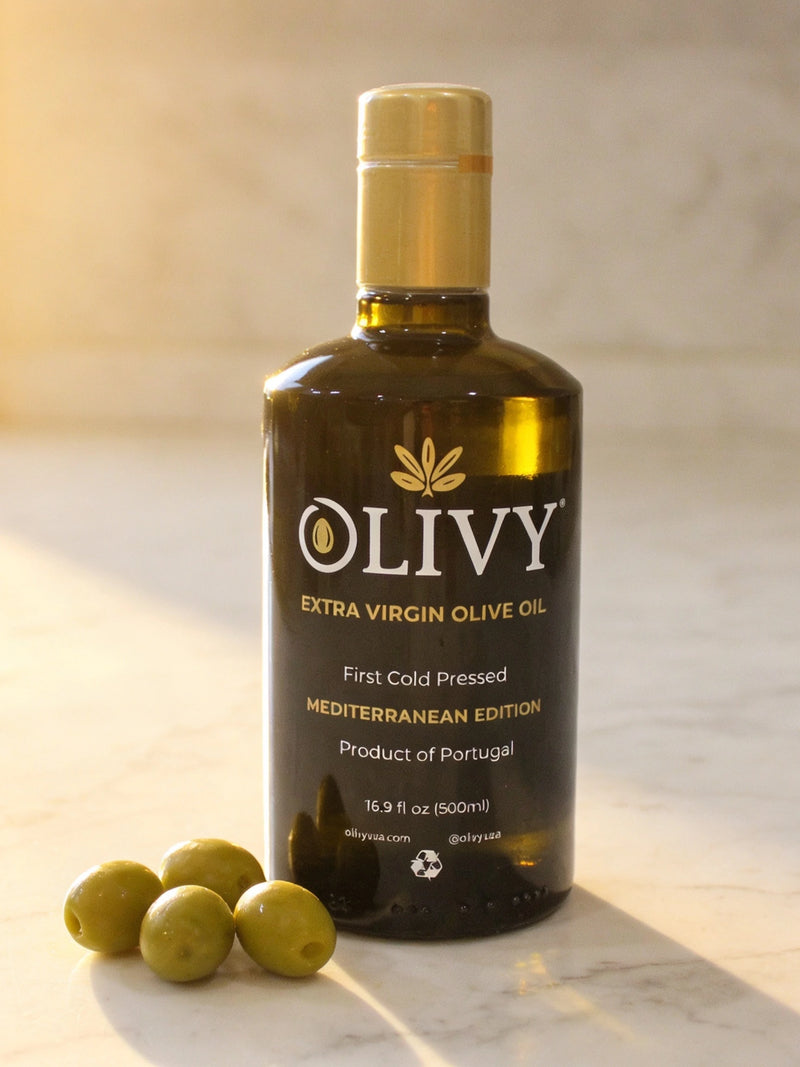
Olivy is an early-harvest, single-origin Portuguese EVOO tested for high polyphenol content.
Shop Olivy →
Also read: Olive Oil Heart Health → | Polyphenol Rich Foods →